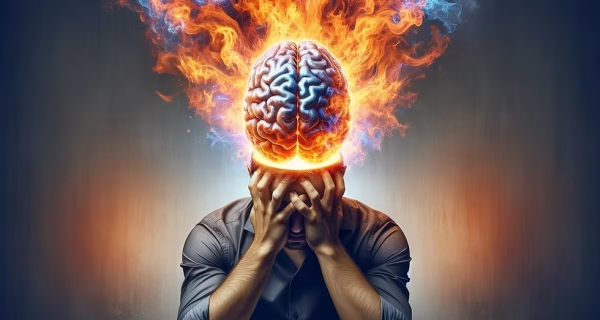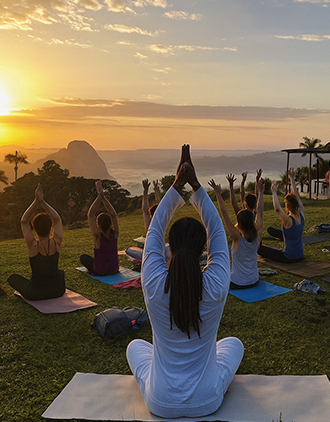
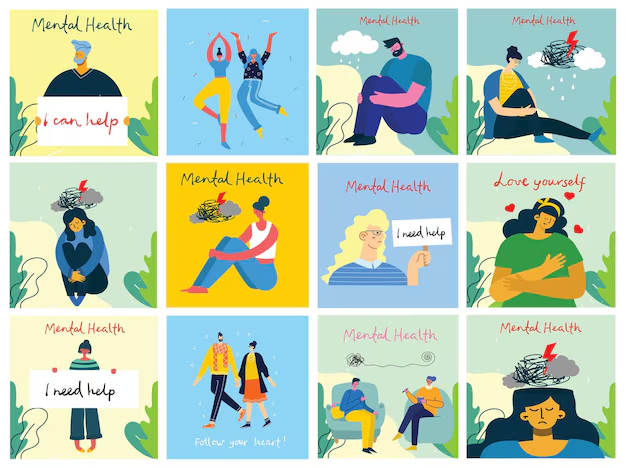
Lifestyle Can Reshape Your Mental Health: Science, Spirituality & the Art of Living Well
Your Lifestyle is the Hidden Therapist You Never Noticed
Picture this:
Two friends decide to start their day.
Friend A rolls out of bed at noon, downs a cold energy drink, skips breakfast, scrolls TikTok until his soul cries, and eats leftover pizza for “brunch.”
Friend B wakes at sunrise, stretches, meditates for 10 minutes, sips warm lemon water, and eats a balanced meal.
By 4 PM, one is anxious, irritable, and drowning in caffeine. The other is calm, focused, and surprisingly cheerful (even when traffic sucks). So what’s the difference? Lifestyle.
Modern science, ancient Ayurveda, spiritual wisdom, and psychology all agree: your daily choices reshape your brain, balance your hormones, and determine whether you spiral into anxiety or bloom into resilience.
As Dr. Andrew Rozario often says: “Your lifestyle is your first therapy. Every bite, every breath, every bedtime is a message to your mind.”
This is not just about eating kale or doing yoga once a week. It’s about understanding that lifestyle is a living philosophy, a biological rewiring system, and—if you’re spiritually inclined—a daily prayer.
So let’s dive in: scientifically, psychologically, spiritually, and with a dash of humor (because laughing at our bad habits is sometimes the best medicine).
1. Science Speaks: The Neurological Dance Between Lifestyle and Mental Health 🧠
Neuroplasticity: Your Brain is a Construction Site
Your brain constantly remodels itself through neuroplasticity. Every choice—what you eat, when you sleep, how you move—becomes a construction worker carving new neural pathways.
Walk daily → dopamine regulation strengthens. Meditate → prefrontal gray matter thickens. Doom-scroll at 3 AM → reward circuits hijacked, sleep cycles ruined. Your brain doesn’t judge — it simply builds highways where you send traffic.
Neurotransmitters: Chemistry Meets Lifestyle
Your lifestyle literally dictates your brain chemistry:
- Serotonin (happiness): largely made in the gut — linked to diet & microbiome.
- Dopamine (motivation): balanced by sleep, exercise, and meaningful goals.
- Cortisol (stress): spikes with late nights, poor diet, constant notifications.
- Endorphins: released through movement, laughter, and connection.
Scientific Studies to Prove It
Exercise & depression: research shows ~30 minutes daily can be as effective as antidepressants for mild–moderate depression. One poor night of sleep raises amygdala reactivity (more fear/anxiety). Mediterranean-style diets are associated with lower depression risk. The science is consistent: lifestyle drives mental health.
2. Psychology: How Habits and Behavior Shape the Mind
Psychology tells us your lifestyle is a collection of habits. The habit loop (Cue → Routine → Reward) explains how repeated behavior becomes automatic. Change the routine and the reward, and you change the mind.
CBT reminds us thoughts, feelings and behaviors are linked — change the “behavior” (lifestyle) and thoughts follow. Environment matters: keep junk food out, create sleep-friendly spaces, surround yourself with supportive people.
3. Vedic Wisdom: Sattva, Rajas, Tamas & The Art of Living 🌿
Centuries before modern psychology, Ayurveda explained how lifestyle affects consciousness via the three gunas:
- Sattva: waking early, meditation, fresh sattvic foods → clarity and compassion.
- Rajas: overstimulation, stimulants, chronic busyness → restlessness and anger.
- Tamas: junk food, oversleep, inertia → lethargy and depression.
Dinacharya (daily routine) — wake with the sun, cleanse, yoga/pranayama, mindful meals, sleep aligned with nature — forms the backbone of mental wellbeing.
4. Spiritual Spectrum: Energy, Chakras & Conscious Living ✨
Meditation calms the mind; pranayama balances anxiety; mantra and devotional practice regulate the nervous system. Food is vibration — cook with gratitude, and food becomes medicine; eat in anger, and it acts like poison. In many retreats people discover “depression” was actually an energy imbalance waiting to be cleared.
5. Philosophy: Are You Living or Existing?
Philosophy asks whether life is examined. Lifestyle is philosophy in action: waking time, relationships, work and rituals signal if you’re surviving or flourishing. As Vedanta teaches: you are not merely body-mind — you are consciousness; lifestyle either veils or reveals that truth.
6. Logic: Micro-Shifts, Macro-Results
Tiny habits compound: sleep 1 hour earlier = hundreds of extra repair hours/year; daily 30-minute walks = massive natural therapy; 10 minutes journaling = steady self-reflection. Logic: consistency > extremism.
7. Dr. Rozario’s Perspective: Science Meets Spirit 🌍
Dr. Andrew Rozario integrates psychology (CBT, NLP), neuroscience (rewiring), Ayurveda (diet & routine), spirituality (meditation, mantra), and philosophy (meaning-making). Clients say therapy with him feels like science & soul having a friendly, witty conversation.
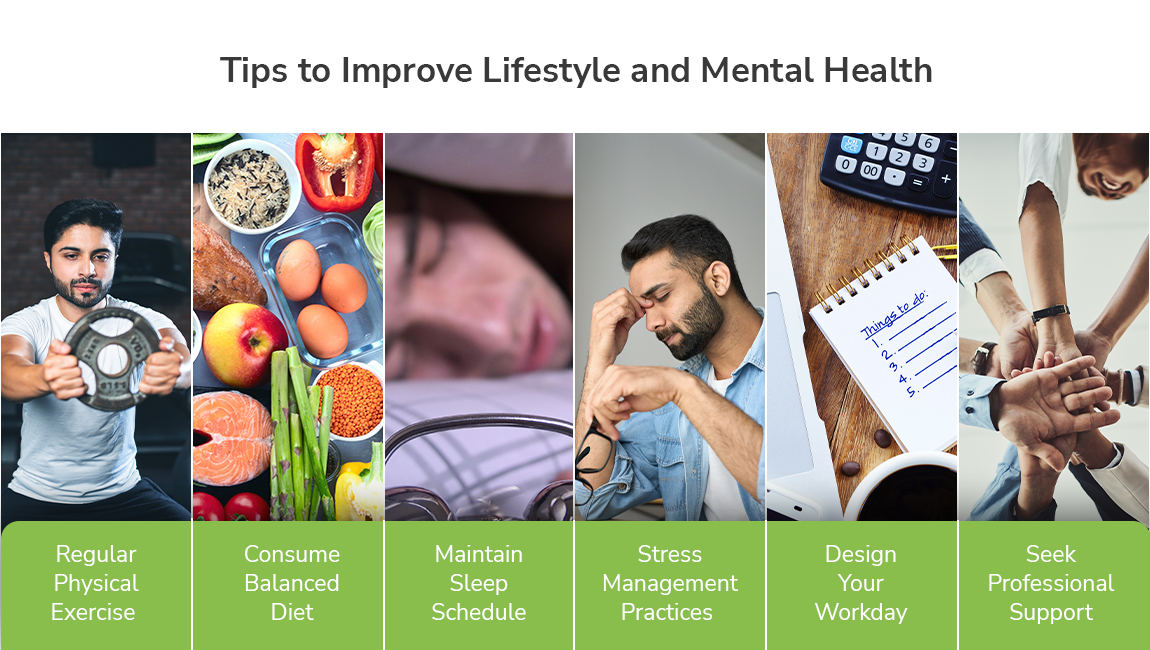
8. Practical Guide: Reshape Lifestyle, Reshape Mind
- Diet: prioritize whole, sattvic foods; reduce sugar, caffeine, alcohol; hydrate.
- Sleep: fixed bedtime, dark cool room, screen-free hour before bed.
- Movement: daily walk/yoga/dance + strength work for confidence.
- Mind Practices: meditation 10–20 min, journaling, emotional labeling.
- Relationships: cultivate uplifting people; set healthy boundaries.
- Digital Life: limit social media; create tech-free zones.
- Therapy: work with a guide who integrates science & spirit.
Practice these consistently for 21–90 days and notice the shift.
Conclusion: Your Lifestyle is Your Living Prayer
Every choice rewires neurons and reshapes consciousness. Eat sattva, sleep well, move, breathe, connect and practice presence. Next time you feel cloudy or anxious, ask: “What lifestyle am I feeding my mind?”
If you want guidance from someone who blends neuroscience, Ayurveda, spirituality, and humor—consider Dr. Andrew Rozario. He doesn’t just heal minds—he awakens lives.