

Diet and Mental Health: How Food Shapes Your Mind, Mood, and Consciousness
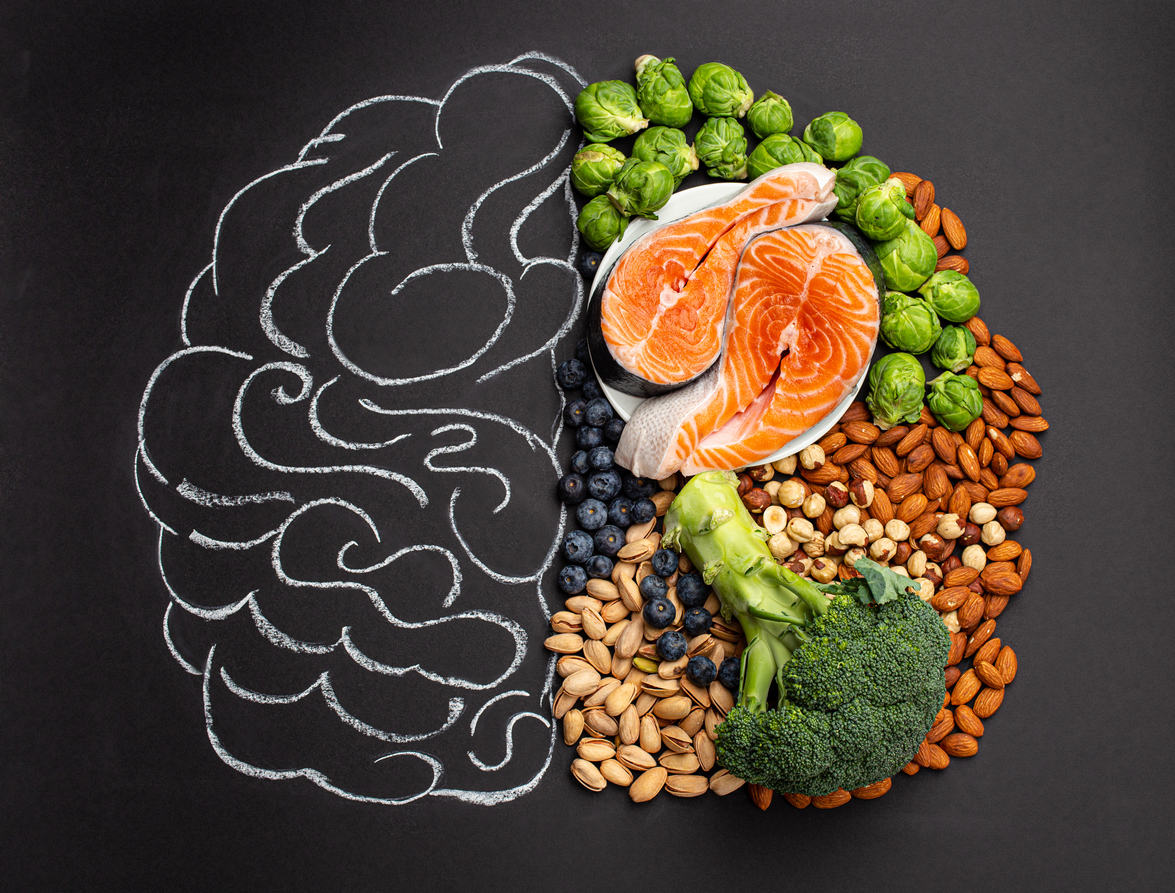
You Are What You Eat—Science and Spirituality Agree. Ancient Indian wisdom said it, and modern science increasingly proves it: food doesn’t just build the body — it shapes the brain, emotions, and even consciousness. In this article we explore how diet impacts mental health through psychology, neuroscience, Ayurveda, and mythology, and offer practical tips for eating consciously.
The Science Behind Food and Mood
Gut–Brain Connection
The gut is often called the "second brain." It produces large amounts of neurotransmitters (the gut produces ~90% of the body's serotonin) and hosts trillions of microbes that influence inflammation, immunity, and neurotransmitter balance. Poor diet → gut dysbiosis → inflammation → increased risk of anxiety, depression, and cognitive fog. Foods rich in probiotics (fermented foods), omega-3 fatty acids, and vitamins B, D, and magnesium support resilience and clearer mood.
Food Addiction and Psychology
Highly processed, high-sugar foods hijack the brain’s reward pathways: rapid dopamine spikes followed by crashes. This pattern mirrors addictive behaviour and can worsen mood swings, cravings, and poor impulse control. Caffeine is helpful for many, but in sensitive individuals it can overstimulate and trigger panic or insomnia. Conversely, mindful eating cultivates patience, emotional regulation, and a healthier relationship with appetite.
“The composition and consciousness of what you eat shape the composition and consciousness of who you are.”
— Traditional insightAncient Indian Wisdom: The Three Gunas of Food
Ayurveda classifies foods by the three gunas — qualities that affect body, mind, and consciousness:
- Sattvic (pure, balanced, consciousness-elevating): fresh fruits, vegetables, whole grains, ghee, nuts, herbal teas — associated with clarity, calm, compassion.
- Rajasic (stimulating, activating): spicy or strongly seasoned foods, fried items, coffee, onion, garlic — can increase restlessness, drive, ambition, and sometimes aggression.
- Tamasic (heavy, dulling): stale food, overly processed or fried food, alcohol — tends toward lethargy, mental dullness, depression.
Your thoughts literally absorb the consciousness of your food — which is why many traditions emphasize pure, freshly cooked meals for spiritual practice.
Ayurveda: Food as Medicine for Mental Health
Ayurveda treats diet as first-line medicine. Different dosha imbalances present distinct mental patterns and benefit from tailored foods:
- Vata imbalance (anxiety, racing mind): favour warm, grounding, slightly oily foods — ghee, cooked grains, dates, warm rice, soups.
- Pitta imbalance (irritability, anger): choose cooling, soothing foods — cucumber, coconut, milk (if tolerated), mung dal, sweet fruits.
- Kapha imbalance (lethargy, low mood): prefer lighter, invigorating foods — millet, ginger, turmeric, lightly spiced dishes, plenty of green vegetables.
Ayurveda’s central principle: “Food is the first medicine.”
Mythology and Food: Spiritual Symbolism
Stories such as Krishna stealing butter express a deeper truth: the soul seeks the essence of nourishment. Food offered as prasada becomes charged with devotion; cooking with gratitude, prayer, and love transforms ordinary ingredients into medicine for body and spirit.
Practical Guide: Eating for Mental Wellness
Start with warm lemon water or herbal tea to wake digestion gently.
Choose fresh, home-cooked, sattvic meals. Prioritize vegetables, whole grains, legumes, healthy fats (ghee, olive oil), and fermented foods.
Make your heaviest meal at lunch (lentils, rice, vegetables, ghee). Keep dinner light — soups, steamed veg, or khichdi.
Processed foods, refined sugar, alcohol, excessive caffeine, and fried food — they blunt clarity and raise inflammation.
🙏 Eat with mindfulness: no screens, chew slowly, and begin with a short moment of gratitude.
FAQs on Diet and Mental Health
- 1. Can food really reduce depression and anxiety?
- Yes. A nutrient-rich, anti-inflammatory diet and sattvic approach support neurotransmitter balance, reduce systemic inflammation, and can reduce symptoms of depression and anxiety as an adjunct to other treatments.
- 2. Is Ayurveda relevant for mental health today?
- Absolutely. Ayurveda integrates diet, lifestyle, sleep, and daily rhythm with mental health strategies — many principles complement modern medicine.
- 3. What foods should I avoid for better mental clarity?
- Avoid processed foods, excess alcohol, too much caffeine, refined sugar, and heavy fried meals — these promote inflammation and cognitive dullness.
- 4. Which superfoods are best for mental health?
- Almonds, walnuts, turmeric (curcumin), ghee, leafy greens, fermented foods, fresh fruits, and oily fish (or algae oil for vegans) rich in omega-3s.
Final Reflection: Your Plate is Your First Therapy
Food is not just fuel — it is energy, vibration, and consciousness. Every bite rewires your brain, reshapes your emotions, and redefines your spiritual frequency. Eat sattvic, eat mindfully, and remember: your diet is your first therapy, your first prayer, and your first step towards freedom.